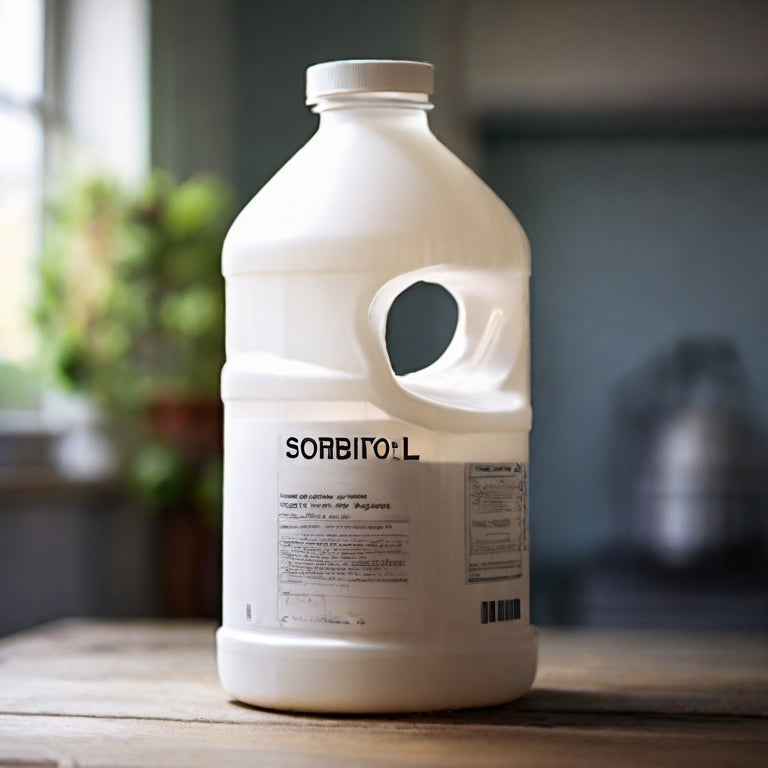
Sorbitol, also known as D-sorbitol, 50-70-4, E420 and D-glucitol, is a carbohydrate. It belongs to a class of sugar alcohols called polyols. This water-soluble compound occurs naturally in some fruits, including apples, apricots, dates, berries, peaches, plums and figs. It is also produced commercially from corn syrup and is used in packaged foods, beverages and pharmaceuticals. Commercially, sorbitol is used to retain moisture, add sweetness, and provide texture to products, and may support digestive and oral health.
Benefits and uses
Sorbitol is a widely used sugar alcohol for many reasons.
First, sugar alcohols are often used in foods and beverages to replace traditional sugar to reduce their calorie content. Sorbitol contains about two-thirds of the calories of table sugar and provides about 60% of the sweetness.
It's also not fully digested in your small intestine. From there the remaining compound passes into the large intestine where it is fermented or broken down by bacteria, resulting in fewer calories being absorbed.
Second, sweeteners are often added to foods marketed to people with diabetes. This is because it has a minimal impact on blood sugar levels when consumed compared to foods made with traditional sweeteners such as table sugar.
Third, unlike table sugar, sugar alcohols such as sorbitol do not contribute to the formation of cavities. This is one reason why they are often used to sweeten sugarless gum and liquid medications.
In fact, the Food and Drug Administration (FDA) has recognized that sugar alcohols such as sorbitol may benefit oral health. This is based on a study that found sorbitol may reduce the risk of tooth decay compared to table sugar, although not to the same extent as other sugar alcohols.
Finally, it is used alone as a laxative to combat constipation. It is hypertonic, meaning it draws water from surrounding tissues into the colon to facilitate bowel movements. It can be purchased at most grocery stores and pharmacies without a prescription.
Side effects and precautions
Consuming large amounts of sorbitol or other sugar alcohols can cause bloating and diarrhea in some people, especially if you are not used to consuming them regularly. This may be an undesirable result for some, but for those who use it to promote bowel movement, it is a desirable effect.
Fortunately, other side effects of sorbitol appear to be uncommon. The most commonly reported complaint is diarrhea, but it may also be accompanied by abdominal cramping or nausea.
Still, while some laxatives may be habit-forming and should not be used for extended periods of time, sorbitol is considered a non-stimulant laxative with less risk. That said, given that it works by drawing fluid into the intestines to encourage intestinal activity, it should only be used as directed.
Despite potential side effects, sorbitol has been reviewed and confirmed as safe for consumption by many global health agencies, including the FDA.
Dosage and how to take it
Sorbitol used as a laxative is available as a rectal enema or as an oral liquid solution. You can take it by mouth with a glass of water or mixed into a flavored drink, with or without food.
Recommended dosages vary. Some studies show that if you consume 10 grams or more per day, you are more likely to experience unwanted side effects. Additionally, one study found that even in healthy individuals, doses of 10 grams were more likely to cause malabsorption.
The FDA requires that labels on foods that may cause you to consume more than 50 grams per day include a warning: "Excessive intake may have laxative effects."
This is because taking too much sorbitol can cause serious digestive side effects and electrolyte imbalances, although there is no evidence that the compound causes toxicity.
If you think you have taken too much sorbitol and are experiencing noticeable symptoms, contact your healthcare provider immediately. Be prepared to provide information about dosage and symptoms, including time of onset.
Ultimately, it's best to follow the consumer instructions on the packaging. Or, if you have questions about appropriate dosage and use, talk to your healthcare provider.
interactive
Sorbitol should not be taken with calcium or sodium polystyrene sulfonate, which are used to treat high levels of potassium in the blood. Doing so can cause interactions that can lead to the death of intestinal tissue.
If you are taking sorbitol to relieve constipation, avoid using other laxatives at the same time unless your healthcare provider specifically instructs you to do so.
Storage and handling
Most sorbitol can be stored at room temperature or around 77°F (25°C). It should not be frozen or stored in high temperatures as this may shorten its shelf life.
However, there are many variations of sorbitol products, so their shelf life may vary.
Most products usually last 6-12 months if stored correctly, but this depends on the form and brand. Once a product has expired, be sure to discard it appropriately through a drug take-back event or other safe disposal method.