HealthyPIG Magazine

What is the use of gelatin? Benefits, uses and more
Gelatin is a protein product derived from collagen. Due to its unique combination of amino acids, it has important health benefits. Gelatin has been shown to play a role in joint health and brain function, and can improve the appearance of skin and hair.

Coenzyme Q10: CoQ10
Coenzyme Q10 (CoQ10) is a nutrient naturally present in the body. CoQ10 is also present in many foods we eat. Coenzyme Q10 acts as an antioxidant, protects cells from damage, and plays an important role in metabolism.

The little-known DPA OMEGA-3 fatty acid
For a long time, fish oil has been the main supplement for those interested in maintaining health. Ongoing research continues to provide new insights into the many benefits of long-chain omega-3 fatty acids in fish to human health. Many people are familiar with the superstars of those fatty acids; DHA and EPA. Little-known DPA is another important fatty acid that is making a comeback.

What you need to know about tocotrienols
Tocotrienols are a group of chemicals that belong to the vitamin E family. So far, research has found many benefits associated with tocotrienols. Tocopherols are another group of chemicals that make up the vitamin E family. Both tocotrienol and tocopherol have four forms: α, β, δ, and γ. The average American’s diet contains more tocopherols than tocotrienols, so researchers are becoming more and more interested in how tocotrienol supplementation can improve health.

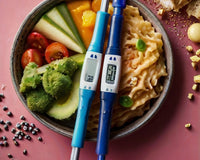
Essential ways to use broccoli rice

Everything you need to know about cauliflower rice

Which is healthier: cauliflower rice or plain rice?
The beauty of cauliflower "rice" is that you can increase your meal while reducing calorie content. Psychologists who specialize in appetite and satiety have determined the importance of "filling the stomach" in helping us feel satisfied.

Health Benefits of Balsamic Vinegar for Weight Loss, Skin, and More


What is sodium chloride usually used for?
Sodium chloride, commonly known as salt (although sea salt also contains other chemical salts), is an ionic compound with a chemical formula of NaCl, which represents a 1:1 ratio of an ion to a chloride ion. The molar masses are 22.99 and 35.45 g/mol, respectively. 100 g NaCl contains 39.33 and 60.6 g Cl. Sodium chloride is the salt that is most responsible for the degree of sea water and the extracellular fluid of multicellular organisms. There is an edible form of table salt, which is usually salt seasoning. A large amount of solid chloride is used in industrial processes, it is the main source of hydrochloride and chloride, and the raw material for further chemical synthesis. Deicing the road.

Glucomolactone E575
Glucono delta-lactone (abbreviation GDL) or gluconolactone, a kind of gluconic acid lactone, is a natural ingredient, usually used as a coagulant in tofu making, fermented acid in bakeries, cheese and meat The mild acidulant and chelating agent in the product are used in some food applications. Its European food additive number is E575. It is kosher, halal, vegan, and non-GMO food.

Malic acid E296
Malic acid, usually related to apples, is naturally present in fruits and can enhance the flavor and sourness. It is used as a flavoring agent and pH control agent in food. The European food additive number is E296. This ingredient exists in three forms: D-, L- and racemic DL-forms (consisting of equal parts of the two forms). Malic acid sold on the market usually refers to its DL form.